MAPP – promoting public health and safety in all sectors of the community.

News & Events!

→ Two New Programs Underway!
→ Presentation Explains Teen Brain Changes
→ The Truth: A Young Adult Perspective on Alcohol & Drug Abuse


Hospital wins Foster McGaw Prize!

award trophy

MAPP's Prevention Efforts Play Key Role in Selection.

→ Find out more!


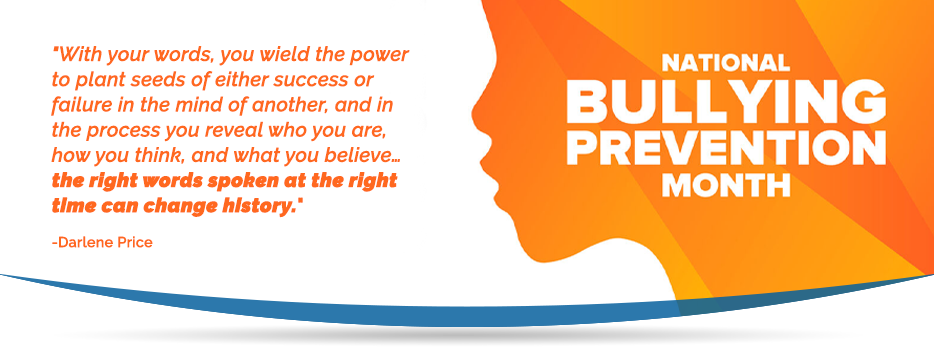
Combat Cyber Bullies!

Information to understand the scope of the problem, and good advice on how to deal with it:

→ Find out more!

WHS Students Address Risky Behavior at YRBS Dialog Night

Discussion Focuses on Ways to Reduce Concerns


Three students at YRBS dialog
(Left to right) Eric Brown, Rachel Meagher, and Erin Januszewski watch as classmates Aliza McCarthy and Tanner Dana present the strengths and concerns the group identified from the 2011 YRBS data. The students then led a discussion on ways that students, parents, and community members could reduce the number of students making risky choices.

For example, one strength the group identified was the fact that 72 % of WHS students believe it is very wrong to smoke cigarettes. One of the concerns was that 16% of WHS students reported drinking alcohol before the age of 13. Among the 7 proposed solutions was the suggestion to provide earlier education about substances and risks.

→ Read More...


Two New Programs Now Underway

Healthy Retailer

Fresh Apples and Oranges A wonderful front-page article in the Valley News on February 2 featured the Healthy Retailer initiative. MAPP is working with the Vermont Department of Health to implement this innovative state-wide program in our corner of Windsor County. The long-term goal is to promote the overall health of our community by reducing the risks that come with alcohol, tobacco, and obesity. Here are the highlights:

  • A community survey showed that customers would like to see more healthy options in their local stores, and also would be more likely to visit stores that offered healthy options. Healthy options include fresh fruits and vegetables and other healthy snacks, along with water, fruit juices, and low-calorie beverages.
  • An audit of our locally owned mom-and-pop, convenience, and country stores showed that they all had some healthy options already, but not always a large variety or in the best spots to be noticed. Local elementary school students helped complete the audits.
  • Many customers are concerned about tobacco and alcohol advertising in stores and how it might influence young shoppers.
  • Our local stores do not have a lot of that advertising (tobacco ads in particular are pretty scarce), but local retailers do worry that reducing the display advertising for alcohol will cut into sales. Alcohol and tobacco bring in important income for most of our stores.
  • MAPP will work with our locally-owned stores to make small changes that can make big contributions to the health of our community, without hurting any store's bottom line.
  • Small changes include adding a few more healthy options, putting the healthy options at eye level near the cash register, and raising advertising so it is not at kid's-eye level. All of these have been shown to have a positive effect on shoppers' choices.

MAPP has already worked with our local stores on Sticker Shock. MAPP also organizes the retailer trainings required by the Vermont Department of Liquor Control. These classes teach store cashiers how and why to avoid selling alcohol or tobacco to underage shoppers.

Gut Feelings

Gut Feelings is a statewide program that MAPP has worked on before, with good success. Its goal is to reduce the number of young people who try tobacco, and to help kids quit if they've already started. The message is straightforward:

Listen to your gut: it has a brain that can speak to you through physical symptoms. Are you feeling "queasy"? There is something to it, not just eating too much of your favorite food. What is your stomach warning you about that your brain hasn't realized yet?

VKATs in Guts PhotoThis spring, MAPP is running a video contest using the Gut Feelings face board. Students from our local schools will write scripts for the stomach, lungs, and brain, cast student actors in these gutsy roles, and then make 1-minute movies about what your guts can tell you. All of the movies will be featured on our local cable access TV station, Windsor on Air (WOATV, channel 8).


Explore Teen Brain Development

YOU CAN HOST OUR LIVE PRESENTATION!

the teen brainMAPP is offering a live presentation on The Hi-Speed Teen Brain: Getting Rewired till 25. The presentation draws attention to the latest information about teen brain development. It's something everyone should know, not just parents.

The presentation is available to all local community groups for free, and to groups outside our four towns for a very nominal fee. If you know a group that would be interested, contact → Melanie Sheehan: melanie.sheehan@mahhc.org or 674-7450.

"Informative and thought-provoking ... probably the best take-home message for me was what I can do as a parent." (Jean Strawbridge, mother of a 14-year-old, Hartland)

Adolescence is normal as teenagers grow from children to adults. Hormones drive teens to emotional peaks, but what goes on in their developing brains is key to what they are doing now, and what they will do later in life. As part of a massive rewiring, the brain forms new connections, linking actions and memories in a way that turns them into knowledge and skill. This is the time when people figure out what they want to be. Their focus on friends and search for new thrills are key to learning what they need in order to move out of their parental home and survive as adults.

Seeking thrills peaks at about age 15, while taking risks doesn't slow down until the early 20s. And the parts of the brain that make good decisions – the logic centers at the front of the brain – are the last parts to develop. They're not fully wired until at least age 25.

The teen years are a really bad time to mix in alcohol or other drugs. They overpower normal brain chemicals and can seriously block the new links made between memories and skills. They can also stop the growth of a teen's logic centers. Studies have shown that people who start drinking as teens are more likely to develop alcohol problems later in life than those who wait until 21. It's not a character flaw: it's what went on in their developing brains.

MAPP's Parent web site (→ www.mappvt.org/parents/) has an updated page on teen brain development. There are also tips for parents on how to help their kids avoid the pressures to drink, a description of early signs that teens may have been drinking, and a clear look at why every teen is at risk.


The Truth:

A Vermont Young Adult Perspective on Alcohol & Drug Abuse

In The Truth, young adults from around the state share from the heart their personal experiences with alcohol and drugs. Their stories about addiction and recovery should be heard by everyone, young and old.

Click here to watch "The Truth" now.

The Truth was created in 2010 by the Vermont Young Adult Advisory Team (YAAT). Please share this link with your friends.


Current Programs | For Youth | For Parents | Links | Contact MAPP